



Product Description
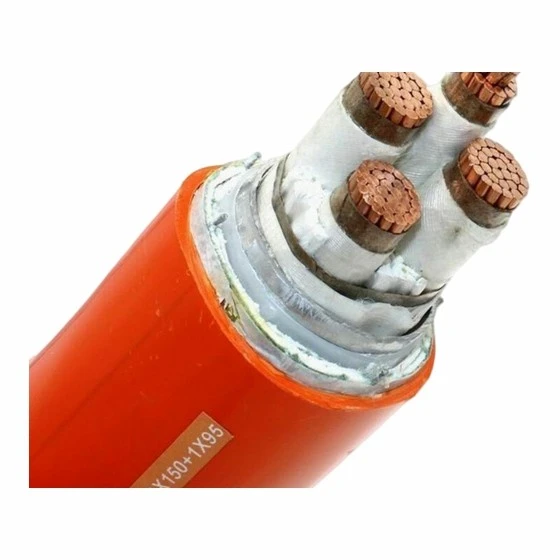
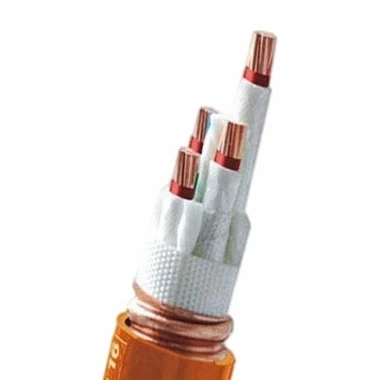
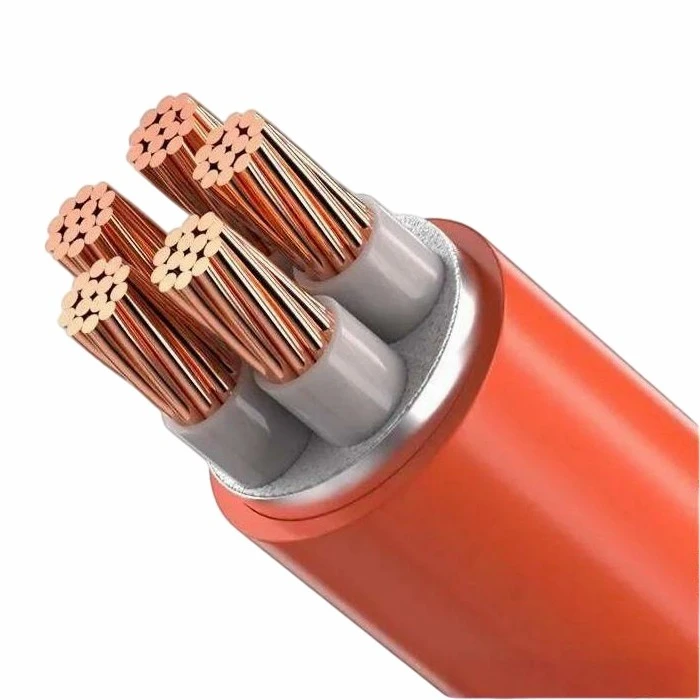
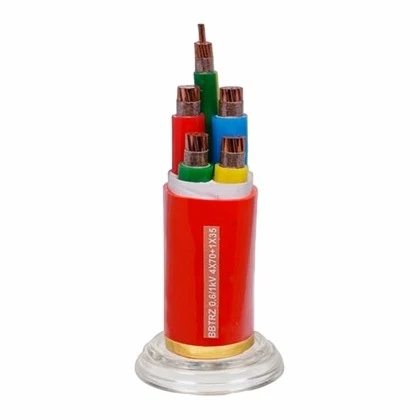
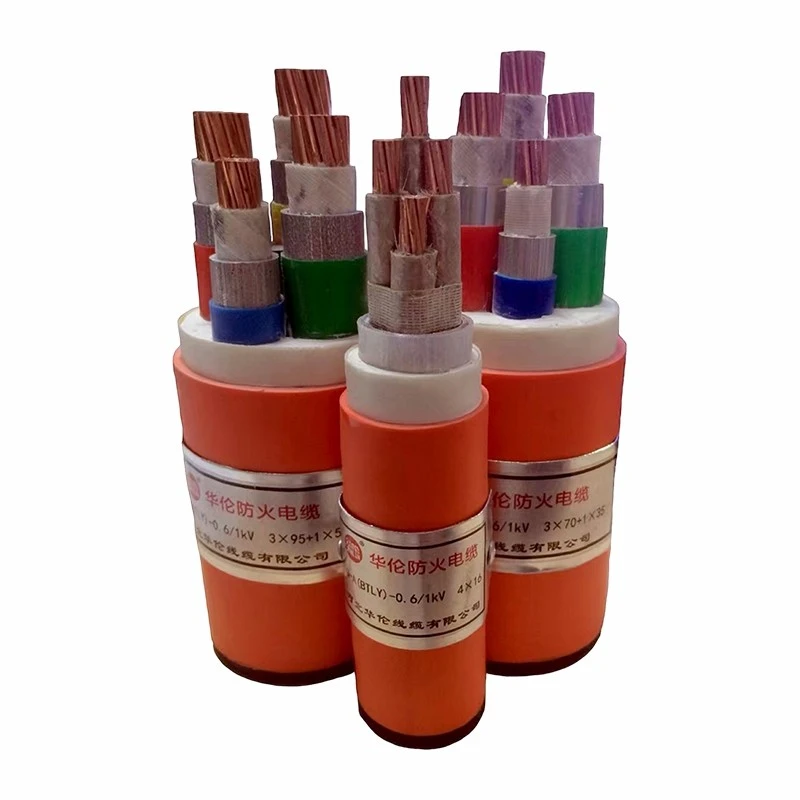
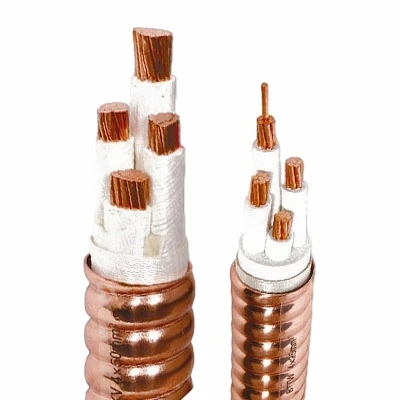
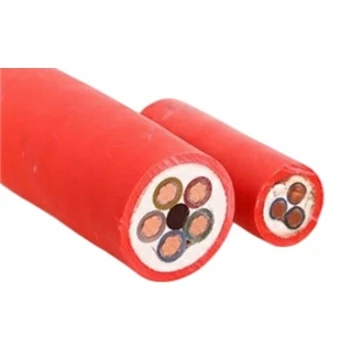
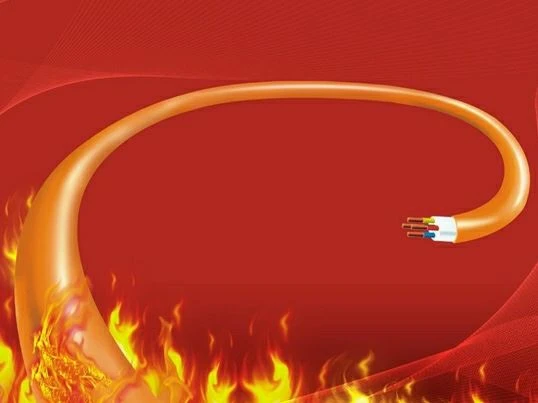
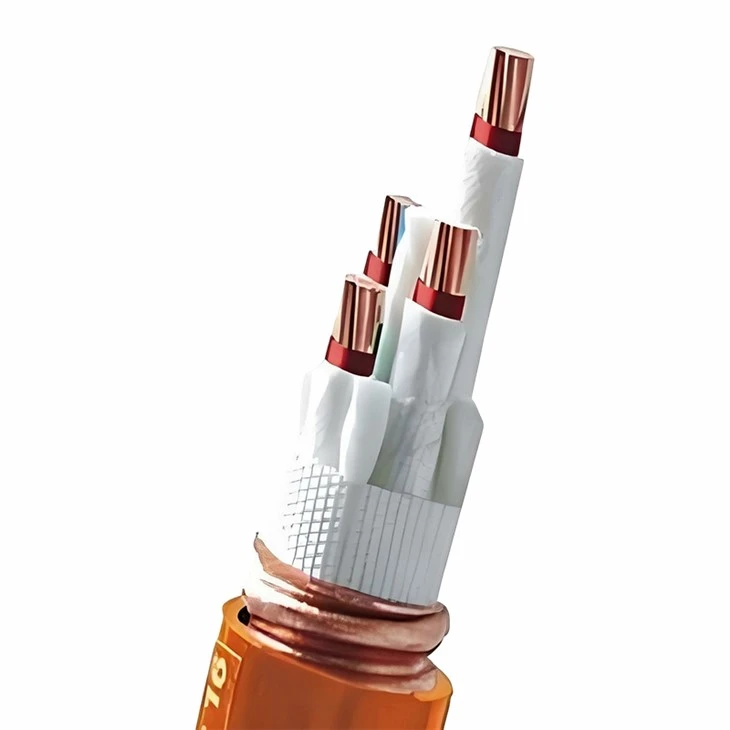
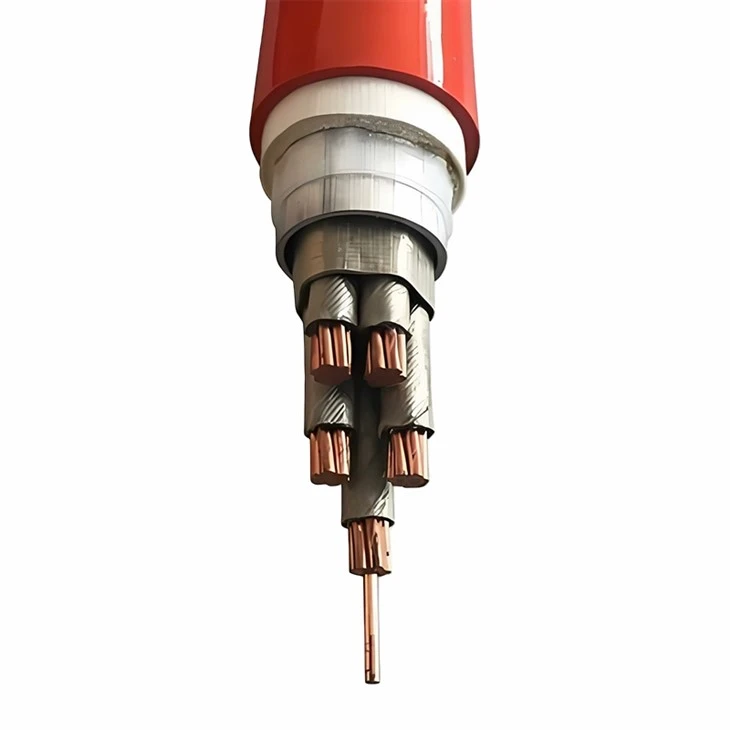
Our factory's fire resistant power cables mainly fall into two categories: UL series flame-retardant cables and flame-retardant low-smoke halogen-free cables. Because fire-resistant cable standards in the Americas and Europe are incompatible, the fire-resistant design approaches for cables differ significantly, requiring selection based on specific circumstances.
Product Model
|
Comparison Dimensions |
EN/IEC |
UL/NEC |
|
Core Standards System |
EN 50200 (Fire resistance of emergency circuits) IEC 60331 (Fire resistance performance) IEC 60754 (Halogen acid gas release) IEC 61034 (Smoke density) EN 50363 (Low smoke halogen-free materials) CPR Regulation (EN 50575) |
UL 2196 (Fire-resistant cable) UL 1685 (Flame-retardant bundled cable) UL 910 (CMP ventilation zone) UL 1666 (CMR shaft) NEC Article 725 (Classification of communication cables) |
|
Testing Methods Smoke Toxicity and Material Requirements |
- Bundle combustion: EN 60332-3-24 (Class C), 3.5m specimen, 750℃ propane flame, 20 minutes, char height ≤ 2.5m. |
- Bundled flame retardancy: UL 1685 (vertical tray), 244cm specimen, flame temperature approximately 840℃, 20 minutes, char height ≤ 244cm, peak smoke density ≤ 0.15 m⁻¹ |
|
- Fire resistance test: IEC 60331, powered for ≥90 minutes under a 750°C flame, with mechanical impact and water spray. |
- Fire resistance test: UL 2196, powered for ≥180 minutes under a 950℃ flame without mechanical impact. |
|
|
- Smoke toxicity: IEC 60754-1 (HCl release ≤5%), IEC 61034-2 (light transmittance ≥60%) |
- Flame retardancy rating: UL 910 (CMP, average smoke density ≤0.15, peak ≤0.5); UL 1666 (CMR, no smoke density requirement) |
|
|
Core Standards System |
Mandatory low-smoke halogen-free, halogen acid gas release ≤5%, smoke density and light transmittance ≥60%, CPR regulations require A1~F classification, and high-halogen materials are prohibited. |
There are no mandatory low-halogen requirements, but CMP-grade certification requires low smoke (peak smoke density ≤ 0.5). Materials are mostly PVC or contain halogenated flame retardants. UL certification can be labeled "-HF". |
|
Testing Methods |
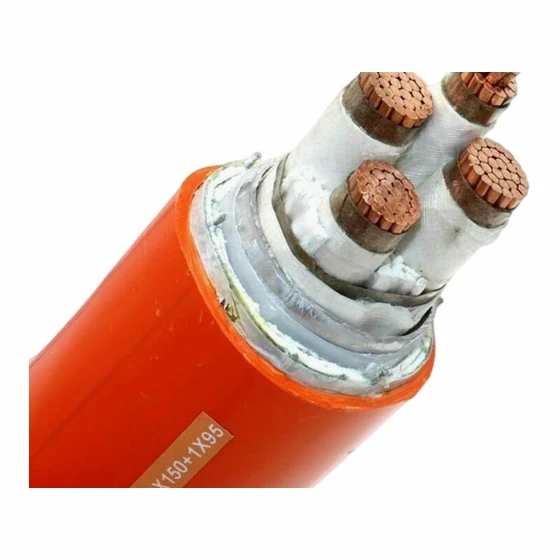
- Flame retardants: ZR-YJV, WDZB-YJY |
- Flame retardants: CMP(OFNP),CMR(OFNR),CM(OFN) |
|
- Refractory: NH-YJV,NH-BV |
- Refractory: UL 2196 |
|
|
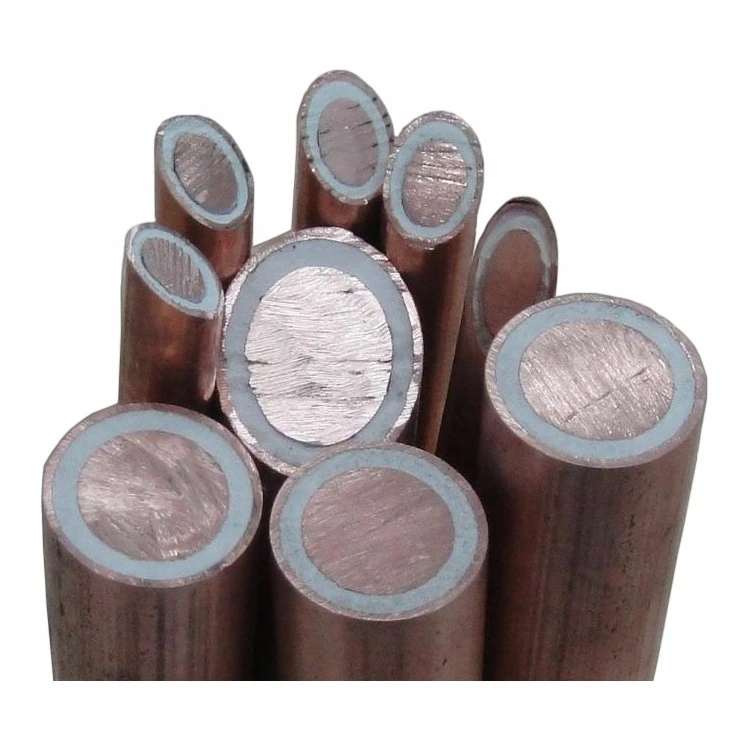
- Mineral insulation: BTTZ,RTTZ |
- Flexible minerals: YTTW |
Product Feature And Application
|
Application Scenarios |
Recommended Types |
Reasons |
|
Ordinary residential/office buildings |
Flame-retardant, low-smoke, halogen-free cable |
Controls smoke density, facilitates personnel evacuation, and has a moderate cost. |
|
Power supply circuits for fire protection equipment |
Fire-resistant cable (NH type) |
Requires continuous power supply during fires to ensure the operation of the fire protection system. |
|
Underground utility tunnels, damp environments |
Armored fire-resistant cable with waterproof sheath |
Resistant to mechanical damage, moisture-proof, and corrosion-resistant. |
|
Main power lines in high-rise buildings |
Flexible mineral-insulated cable |
Highly fire-resistant, easy to construct, and suitable for vertical installation. |
|
Extremely high temperature or explosion-proof areas |
BTTZ |
All-copper structure, withstanding temperatures up to 1083℃, suitable for critical areas. |
Product Technical Parameters
|
Nominal cross section |
Insulation nominal thickness |
The resistance of a conductor at 20℃ is no greater than |
Metal sheath thickness(mm) |
Calculated resistance value of copper sheath at 20℃Ω/km |
Cable outer diameter(mm) |
|||||||||
|
1 core |
2 cores |
3 core |
4cores |
1cores |
2cores |
3cores |
4cores |
1cores |
2cores |
3cores |
4cores |
|||
|
1 |
0.8 |
18.1 |
0.4 |
0.5 |
0.5 |
0.5 |
4.63 |
2.20 |
0.28 |
1.90 |
3.53 |
5.66 |
5.96 |
6.46 |
|
1.5 |
0.8 |
12.1 |
0.4 |
0.5 |
0.5 |
0.5 |
4.19 |
2.00 |
1.89 |
1.73 |
3.78 |
6.16 |
6.50 |
7.06 |
|
2.5 |
0.8 |
7.41 |
0.4 |
0.5 |
0.6 |
0.6 |
3.75 |
1.75 |
1.36 |
1.24 |
4.18 |
6.96 |
7.56 |
8.23 |
|
4 |
0.8 |
4.61 |
0.5 |
0.6 |
0.6 |
0.6 |
2.61 |
1.26 |
1.18 |
1.08 |
4.85 |
8.10 |
8.57 |
9.36 |
|
6 |
0.8 |
3.08 |
0.5 |
0.6 |
0.6 |
0.6 |
2.33 |
1.11 |
1.04 |
0.945 |
5.36 |
9.12 |
9.67 |
10.59 |
|
10 |
1.0 |
1.83 |
0.5 |
0.7 |
0.7 |
0.7 |
1.74 |
0.689 |
0.646 |
0.586 |
7.02 |
12.44 |
13.22 |
14.52 |
|
16 |
1.0 |
1.15 |
0.6 |
0.7 |
0.7 |
0.8 |
1.19 |
0.570 |
0.55 |
0.432 |
8.24 |
14.48 |
15.42 |
17.18 |
|
25 |
1.0 |
0.727 |
0.6 |
0.8 |
0.8 |
0.9 |
1.05 |
0.429 |
0.401 |
0.32 |
9.56 |
17.32 |
18.46 |
20.57 |
|
35 |
1.0 |
0.524 |
0.6 |
0.8 |
0.8 |
1.0 |
0.935 |
0.377 |
0.141 |
0.28 |
10.90 |
19.90 |
21.43 |
23.86 |
|
50 |
1.2 |
0.387 |
0.7 |
0.9 |
0.9 |
1.0 |
0.68 |
0.285 |
0.266 |
0.215 |
12.60 |
23.00 |
24.55 |
27.34 |
|
70 |
1.2 |
0.268 |
0.7 |
1.0 |
1.0 |
1.0 |
0.591 |
0.22 |
0.205 |
0.185 |
14.40 |
23.80 |
28.63 |
31.69 |
|
95 |
1.2 |
0.193 |
0.8 |
1.0 |
1.0 |
1.0 |
0.451 |
0.191 |
1.79 |
0.161 |
16.50 |
30.60 |
32.72 |
36.72 |
|
120 |
1.4 |
0.153 |
0.8 |
1.0 |
1.0 |
1.1 |
0.408 |
0.172 |
0.161 |
0.131 |
18.14 |
33.88 |
36.26 |
40.43 |
|
150 |
1.4 |
0.124 |
0.8 |
1.0 |
1.0 |
1.1 |
0.366 |
0.154 |
0.131 |
0.117 |
20.15 |
37.70 |
40.56 |
45.00 |
|
185 |
1.4 |
0.0991 |
0.9 |
1 |
1 |
1.2 |
0.297 |
0.141 |
0.119 |
0.098 |
22.10 |
41.20 |
44.33 |
49.42 |
|
240 |
1.4 |
0.0754 |
0.9 |
1 |
1 |
1.2 |
0.263 |
0.124 |
0.104 |
0.086 |
24.69 |
46.38 |
50.22 |
55.83 |
|
300 |
1.6 |
0.0601 |
1 |
- |
- |
- |
0.212 |
- |
- |
- |
27.70 |
- |
- |
- |
|
400 |
1.6 |
0.0470 |
1 |
- |
- |
- |
0.193 |
- |
- |
- |
30.40 |
- |
- |
- |
FAQ
Q: How to select fire-resistant power cables based on project needs?
A: The selection of fire-resistant power cable standards should be based on the regulatory requirements of the project's location, building type, fire risk level, and specific application scenario. In the EU market, cables must comply with CPR regulations and IEC series standards, and be graded and certified according to indicators such as smoke density and halogen gas release. North American projects select cables according to the UL standard system. The general principles are: low-smoke halogen-free materials are preferred for high-density personnel and enclosed spaces; critical life safety circuits must meet fire integrity requirements; and ease of construction and total life-cycle cost should be considered.
Hot Tags: fire resistant power cable, China fire resistant power cable manufacturers, suppliers, factory, 1 5 mm fire rated cable, fire rated single core cable, fire retardant electrical cables, fire resistant and flame retardant cable, fire resistant low smoke cable, 4 core fire rated cable


